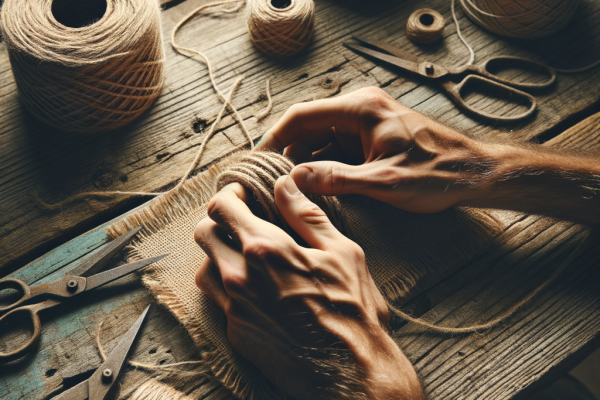

How long does jute rope last is a common question among users who rely on natural fiber ropes for various projects. Its natural texture and eco-friendly appeal make jute rope popular for crafts, gardening, and certain outdoor uses.
Understanding the lifespan and factors affecting degradation is crucial to ensure safety and value, especially when exposed to various environments. This article explores jute rope’s durability, rot potential, and compares it with hemp rope.
Reading further will provide practical knowledge about jute rope’s longevity, influencing factors, and maintenance tips for extended use.
Understanding Jute Rope: Material and Properties
Before discussing how long jute rope lasts, it’s important to understand its composition and key properties. This context explains why its lifespan varies in different settings.
What is Jute Rope?
Jute rope is made from fibers of the jute plant, a natural vegetable fiber mainly grown in South Asia. It is spun and twisted into ropes favored for affordability and biodegradability.
Its natural composition makes it eco-friendly and prone to natural decomposition, making it a preferred choice over synthetic ropes among environmentally conscious users.
Key Characteristics of Jute Fiber
Jute fibers are soft, shiny, and flexible, with a coarse texture that provides grip. They have moderate tensile strength but are less durable compared to synthetic or other natural fibers like hemp.
- High moisture absorbency, which affects durability
- Biodegradable and compostable
- Moderate resistance to abrasion
- Relatively low resistance to sunlight and weathering
These properties influence how long jute rope lasts in various uses.
Common Uses and Applications
Jute rope is commonly used for tying plants in gardening, decorative crafts, packaging, and light household tasks. It is also employed in some marine situations where heavy loads are not critical.
Its eco-friendly qualities make it popular in sustainable product markets and for temporary outdoor projects.
With this foundation, we can now explore the lifespan of jute rope and factors affecting its durability.
How Long Does Jute Rope Last?
Jute rope’s lifespan varies greatly depending on usage and environment. Indoor conditions typically preserve it longer than outdoor exposure.
Understanding this helps users select the right rope and plan care accordingly.
Indoor vs Outdoor Lifespan
Exposure to environmental elements drastically impacts jute rope’s longevity. Indoors, controlled conditions help it last longer; outdoors, sun, moisture, and abrasion speed up deterioration.
- Typical Lifespan Indoors
Indoors, jute rope can last 3 to 5 years or more if stored properly and subjected to minimal stress. Lack of moisture and UV rays reduces rot and fiber degradation.
- Typical Lifespan Outdoors
Outdoors, jute rope generally lasts 6 months to 2 years, depending on climate and exposure. Continuous moisture, sunlight, and temperature changes weaken fibers and promote rot.
In humid or damp environments, fungal growth can further shorten the lifespan.
Factors Affecting Jute Rope Durability
Several environmental and use factors influence jute rope’s life, especially outside. Recognizing these helps maximize durability. Jute fibres at ~12.9% moisture content showed reduced mechanical properties after soaking and drying, weakening tensile strength significantly.
- Exposure to Moisture and Humidity
Jute absorbs moisture readily; prolonged wetness causes swelling and can lead to mold and rot. High humidity boosts fungal growth, weakening the rope.
- UV and Sunlight Exposure
UV rays break down lignin in jute fibers, making the rope brittle and more likely to snap. Direct sunlight reduces the lifespan considerably if the rope is unprotected. Two years of UV and weather exposure reduced the tensile strength of jute-based composites by roughly 50%, accelerating fiber breakdown.
- Abrasion and Mechanical Stress
Repeated friction and heavy loads cause fraying and fiber failure. Jute’s moderate abrasion resistance suits light to medium duties best. A 1″ diameter jute rope can reach ~3,200 lb tensile strength, lower than sisal (~4,000 lb) but suitable for moderate loads.
- Storage and Maintenance Practices
Storing jute rope in dry, shaded areas away from pests and moisture extends its life. Avoid damp basements or outdoor exposure when not in use.
Next, we discuss the natural rot and degradation of jute rope and its biodegradability.
Does Jute Rope Rot or Degrade? The Biodegradability Factor
As a natural fiber, jute rope biodegrades over time. Understanding how this occurs helps in practical applications. Jute rope’s breaking strength dropped by about 66.8% after one month in seawater, indicating rapid environmental degradation.
Here, we explain degradation processes and environmental factors that accelerate rot.
How Jute Degrades Over Time
Microbial activity, mainly fungi and bacteria, consumes jute fibers in moist environments, breaking them down naturally. This process is environmentally friendly but limits long-term durability.
Over time, rope fibers weaken, become brittle, and eventually disintegrate.
Environmental Conditions That Accelerate Rot
Moisture, warmth, and oxygen speed up rot. Wet conditions, like rain or soil contact, drastically reduce lifespan.
- High humidity and poor ventilation
- Direct contact with soil or standing water
- Warm temperatures encourage microbial growth
Signs of Jute Rope Deterioration
Early signs include discoloration, musty smell, and soft or powdery texture. Later signs are fraying, strength loss, and breakage under tension.
Regular inspection is important for safety. After ~300 days outdoors, jute mulch fibres degraded beyond measurement due to microbial and UV breakdown, indicating significant environmental degradation.
Comparison with Synthetic Ropes
Synthetic ropes like nylon or polypropylene resist rot and UV damage, offering longer life, but are not biodegradable. Jute’s ecological advantages come with shorter durability.
Choosing between natural and synthetic ropes depends on sustainability goals and expected lifespan. Natural fibres absorb up to 10–25% water within 24h, losing 15–35% tensile strength, unlike synthetic fibres (<1 % absorption).
Understanding jute’s rot tendencies leads us to compare it with hemp rope for further durability insights.
Comparing Jute Rope to Hemp Rope: Lifespan and Durability
Hemp rope is another natural fiber rope with different performance traits. This section compares lifespan and suitability. Hemp fibers exhibit significantly higher tensile strength (up to ~800 MPa) versus jute (~400 MPa), giving hemp superior durability outdoors.
How Long Does Hemp Rope Last?
Hemp rope usually lasts longer than jute, with indoor lifespans of 5 to 7 years and outdoor use of 2 to 4 years under moderate conditions. Its denser fibers contribute to this durability.
Durability Differences Between Jute and Hemp
Hemp resists UV damage, abrasion, and moisture better than jute. It maintains strength longer and tolerates damp environments more effectively, making it preferred for marine and heavier-duty tasks.
|
Property |
Jute Rope |
Hemp Rope |
|
Indoor Lifespan |
3-5 years |
5-7 years |
|
Outdoor Lifespan |
6 months – 2 years |
2 – 4 years |
|
Moisture Resistance |
Low |
Moderate |
|
UV Resistance |
Low |
Higher |
|
Abrasion Resistance |
Moderate |
Higher |
|
Biodegradability |
High |
High |
Best Use Cases for Each Rope Type
- Jute Rope: Suitable for light crafts, garden ties, decorative uses, and temporary outdoor projects.
- Hemp Rope: Recommended for marine uses, heavier loads, and longer-term outdoor durability.
Next, we consider practical aspects of using jute rope outdoors and how to maximize its lifespan.
How Long Will Jute Rope Last Outside? Outdoor Use Considerations
Outdoor elements shorten the jute rope. Awareness and proper care help extend usability.
Weather Resistance of Jute Rope
Jute has limited weather resistance. Rain, dew, and UV rays accelerate fiber breakdown. Cold weather can stiffen and make it brittle; heat worsens UV damage.
Wet conditions encourage mold and mildew, further degrading fibers.
Preventive Measures to Extend Outdoor Lifespan
- Keep the rope elevated off wet ground to avoid moisture retention.
- Store in shaded, dry areas when not in use to limit UV and damp exposure.
- Apply water-repellent sprays designed for natural fibers to reduce water absorption.
- Inspect regularly and replace worn sections to maintain safety.
Recommended Jute Rope Products for Outdoor Use
Weather-resistant or treated jute ropes last longer outdoors. These often have coatings or blends that improve durability without losing biodegradability.
Choosing such products benefits those needing better outdoor performance from jute rope.
Effective maintenance complements product choice, as covered next.
Maintaining and Caring for Jute Rope to Maximize Lifespan
Proper care preserves the jute rope’s strength and appearance. Simple routines can extend use significantly. Alkali treatment of jute rope increased tensile strength by ~25%, indicating that treatments can significantly improve durability for specific applications.
Cleaning and Drying Tips
- Remove dirt by gentle brushing or shaking.
- Spot-clean with mild soap and water; avoid soaking since jute absorbs moisture.
- Dry fully in a well-ventilated area away from direct sunlight.
Proper Storage Guidelines
- Store in a cool, dry place with good airflow.
- Avoid plastic bags or sealed containers that trap moisture.
- Coil loosely to prevent kinks and fiber damage.
When to Replace Jute Rope
Replace the rope if it shows heavy fraying, loss of strength, discoloration from rot, or a foul smell. Safety is paramount when strength matters.
Top Recommended Jute Rope Products
Choosing the right jute rope improves durability, safety, and overall performance for your project. Below are the top recommended jute rope options based on quality, use case, and longevity.
Product 1: Premium Natural Jute Rope
Key Features
- 100% natural jute fiber
- Soft, flexible texture for easy handling
- Ideal for crafts and indoor use
Best Use Case
Suitable for decorative projects, light tying, and DIY crafts where natural aesthetics are important.
Pros & Cons
- Pros: Eco-friendly, biodegradable, affordable
- Cons: Limited outdoor durability
Product 2: Weather-Resistant Outdoor Jute Rope
Key Features
- Treated to resist moisture and UV damage
- Stronger build for outdoor tasks
- Maintains biodegradability
Best Use Case
Good for gardening, light outdoor securing, and temporary marine uses needing better weather resistance.
Pros & Cons
- Pros: Longer outdoor lifespan, good strength
- Cons: Slightly higher cost, still less durable than synthetic ropes
Product 3: Organic Jute Rope for Crafting and Gardening
Key Features
- Certified organic jute fibers
- Free of chemical treatments
- Soft and biodegradable
Best Use Case
Ideal for eco-conscious gardeners and artisans focused on sustainable projects without chemicals.
Pros & Cons
- Pros: Chemical-free, natural appearance
- Cons: Not suitable for heavy or wet outdoor use
Conclusion
Jute rope’s lifespan varies widely with conditions. Indoors, it can last several years; outdoors, life reduces to months or a couple of years. Its biodegradability means it naturally rots under moisture and UV exposure, limiting long-term durability.
Compared to hemp rope, which has greater strength and weather resistance, jute is better for light-duty or temporary outdoor use. Proper storage, cleaning, and selecting treated jute ropes can significantly extend their life.
Choosing jute rope involves balancing eco-friendly benefits with expected durability. For light, temporary, or decorative tasks, jute remains a practical and sustainable option.
FAQs
1. How long does jute rope last compared to synthetic ropes?
Jute rope usually lasts much shorter than synthetic ropes. While synthetics can last 10+ years outdoors, jute generally lasts 6 months to 2 years due to rot and UV damage.
2. Can jute rope be used for heavy-duty outdoor applications?
Jute is typically not recommended for heavy-duty outdoor use because it is vulnerable to moisture, UV damage, and wear. Hemp or synthetic ropes are more suitable for such tasks.
3. What are the signs that jute rope needs replacement?
Signs include significant fraying, loss of tensile strength, discoloration, a musty smell, or noticeable brittleness. Replacing worn rope ensures safety.
4. Is jute rope safe for long-term load-bearing applications?
Jute rope is not ideal for long-term load-bearing use because moisture absorption, UV exposure, and fiber rot significantly reduce strength over time.
5. Can jute rope be composted after use?
Yes, untreated jute rope is fully biodegradable and compostable, typically breaking down within months under moist, aerobic composting conditions without leaving harmful residues.