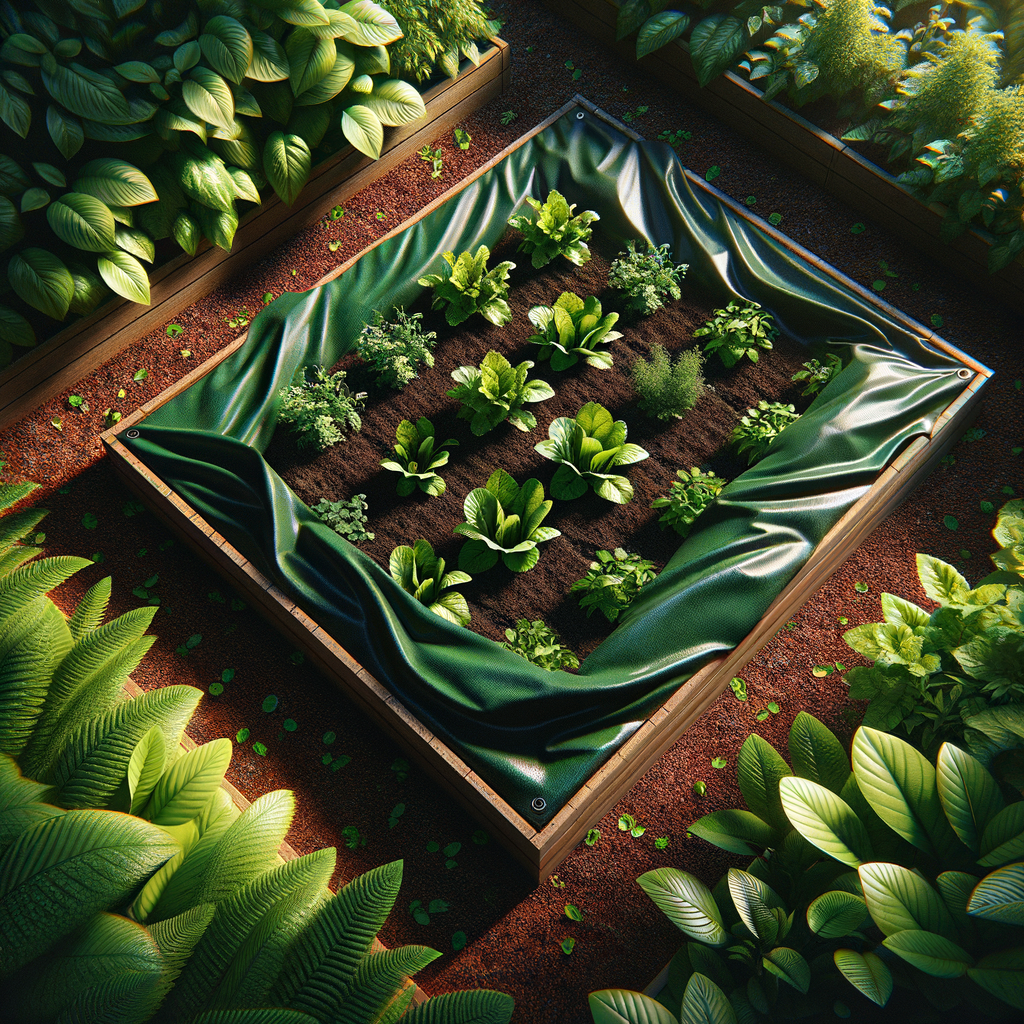

Using tarps as weed barriers is a practical question for gardeners and landscapers seeking affordable weed control. Weeds compete with plants for nutrients, water, and light, making garden maintenance challenging. Tarps can help by blocking sunlight and suppressing weed growth. Global agricultural mulch film usage increased by over 20% between 2015 and 2020 due to weed control efficiency.
This article examines tarps’ effectiveness for weed control, weighing benefits and drawbacks, and offers best practices to determine if tarp use suits your gardening needs. It also compares tarps with traditional weed barriers and provides installation tips and product suggestions.
Understanding Weed Barriers
Weed barriers are materials applied to garden beds or landscapes to reduce weed growth by limiting light, air, or space that weeds need. Knowing different barrier types helps place tarp use within weed management strategies.
What Is a Weed Barrier?
A weed barrier inhibits weed germination and growth by restricting sunlight or physically blocking weeds. Effective barriers reduce weeding labor, conserve soil moisture, and improve plant health by cutting competition.
Common Types of Weed Barriers
Common barriers vary by garden size and preferences, each with pros and cons.
- Fabric/Woven Barriers
Permeable fabrics made from polypropylene or polyester allow water and air but block sunlight. Durable, they are often placed under mulch or gravel paths.
- Plastic Mulches
Plastic sheets are impermeable, blocking light and moisture to prevent weeds. Used in farming and some gardens, they can affect soil health due to low breathability.
- Organic Mulches
Materials like wood chips or straw suppress weeds while enriching the soil as they decompose. They need replenishment and may not fully prevent weed regrowth.
These examples provide context for assessing tarps as weed barriers.
Can Tarp Be Used as a Weed Barrier?
Tarps can block light and physically cover soil, preventing weed growth. Understanding tarp material and function clarifies their role compared to traditional barriers.
What Is a Tarp/Tarpaulin?
A tarp, or tarpaulin, is a large sheet made from polyethylene, canvas, or vinyl-coated fabric, designed for durability and water resistance. Their availability, thickness, and size make them appealing for gardening.
How Does Tarp Work for Weed Control?
Tarps prevent weed seed germination by blocking sunlight and physically covering soil. Extended coverage can act like solarization, heating soil to reduce weed seed viability.
They also reduce soil moisture evaporation, suppressing some moisture-loving weeds. Soil solarization using polyethylene tarps reduced weed density by 90–100% during 4–6 week summer treatments in field trials.
Comparison: Tarp vs Traditional Weed Barriers
Tarps differ from common barriers in breathability, durability, and environmental impact. The table below summarizes key attributes:
Feature | Tarp (Tarpaulin) | Landscape Fabric | Plastic Mulch | Organic Mulch |
Light Blocking | Excellent | Good (permeable) | Excellent | Moderate |
Breathability | Poor (non-breathable) | High (allows airflow) | Poor (impermeable) | High (naturally breathable) |
Durability | High (reusable) | Moderate (can tear) | Moderate (fragile to UV) | Low (decomposes) |
Soil Health Impact | Can restrict gas exchange | Minimal | Can cause overheating | Improves fertility |
Installation Ease | Moderate (heavy, bulky) | Easy | Easy but fragile | Easy |
Cost | Low to moderate | Moderate | Low | Varies |
This comparison clarifies how tarps fit among weed control options.
Pros of Using a Tarp as a Weed Barrier
Tarps offer several benefits, especially regarding cost and durability. Black polyethylene mulch suppressed weed biomass by 85–95% compared to bare soil in vegetable production systems.
Cost-Effectiveness
Widely available and affordable, polyethylene tarps are practical for large spaces or those on a budget.
Durability and Reusability
Heavy-duty tarps resist tears and UV damage better than many plastic mulches and can be reused multiple seasons.
Effectiveness in Blocking Sunlight
Opaque and non-permeable, tarps effectively block sunlight, preventing weed growth and supporting solarization efforts.
Water Retention and Soil Protection
Tarps help reduce soil moisture loss and shield soil from erosion and compaction. Polyethylene mulch reduced soil moisture evaporation by 30–50%, significantly conserving irrigation water in open-field agriculture systems.
Cons of Using Tarp as a Weed Barrier
Tarps also have limitations, especially for long-term or sensitive garden use.
Poor Breathability and Soil Health Impact
They restrict air and water penetration, which can reduce soil oxygen and microbial activity, possibly harming plant roots if left too long. Impermeable plastic mulches reduced soil oxygen diffusion rates by 20–35%, potentially affecting aerobic microbial populations adversely.
Potential for Heat Build-up
Non-breathable tarps may trap heat, raising soil temperatures beyond optimal levels and negatively affecting soil biology. Black polyethylene mulch increased soil temperatures by 3–8°C above bare soil during peak summer conditions.
Aesthetic and Installation Challenges
Tarps can look bulky and are heavier and harder to cut and secure than fabrics or mulches, requiring more installation effort.
Environmental Considerations
Most tarps are plastic-based and non-biodegradable, raising concerns about disposal and environmental impact.
Best Practices for Using Tarps as Weed Barriers
Proper selection and installation maximize benefits while reducing drawbacks.
Selecting the Right Type of Tarp
Choose UV-resistant, heavy-duty polyethylene tarps for durability. Avoid thinner or canvas tarps that absorb moisture or degrade quickly.
Proper Installation Techniques
- Clear the area of weeds and debris.
- Secure edges with landscape staples, rocks, or soil.
- Overlap sections by several inches to prevent gaps.
- Cut holes carefully for desired plants, sealing edges to limit weed entry.
Timing and Duration of Use
For solarization, keep tarps on soil 4–6 weeks during peak sun months. For seasonal prevention, use tarps temporarily during fallow periods or before planting.
Maintenance and Monitoring Tips
Regularly check for tears or displacement. Remove debris and keep edges secure. Remove tarps timely to avoid soil issues, then aerate soil and add organic amendments.
Alternatives and Complementary Methods
Combining tarps with other methods enhances weed control and garden health.
Using Landscape Fabric with Tarps
Landscape fabric under or alone provides breathability while suppressing weeds, balancing coverage with airflow. Woven landscape fabric reduced weed emergence by approximately 70–85% while maintaining 60–80% water permeability rates.
Organic Mulch Layering Over Tarps
Applying organic mulch atop tarps improves appearance, reduces heat buildup, and adds nutrients after tarp removal. Organic mulches suppressed weeds by 50–75%, depending on thickness, compared to near-total suppression under plastic covers.
Manual and Mechanical Weed Control
Hand weeding, hoeing, and cultivation complement tarp use by targeting persistent weeds before and after tarp application.
Recommended Tarps and Accessories for Weed Control
Choosing quality tarps and tools facilitates installation and upkeep.
Top-Graded Tarps for Gardening Use
- Heavy-Duty Polyethylene Tarps: Waterproof, UV-resistant, and tear-resistant for multiple seasons.
- Black or Opaque Tarps: Provide strong light blockage.
- Medium-Weight Canvas Tarps: Suitable for short-term use but less durable.
Tools for Installation and Fixing
- Landscape staples or garden pins for anchoring.
- Heavy stones or bricks for edging.
- Utility knives or scissors for cutting.
- Gloves and knee pads for safe handling.
Where to Buy Quality Tarps
Local garden centers, hardware stores, and online suppliers offer reliable tarps. Check for UV resistance and material strength to ensure durability.
Conclusion
Tarps can be an affordable, effective option for short-term weed control by blocking light and covering soil. Their durability allows reuse, but poor breathability and soil health concerns limit long-term use. Careful tarp choice, installation, and regular monitoring help maximize benefits while minimizing negatives. Combining tarps with other weed management strategies supports a healthier, weed-resistant garden.
FAQs
1. Is tarpaulin an effective long-term weed barrier?
Tarpaulins work well short to medium term but can harm soil health if left too long. Combining tarps with breathable fabrics or organic mulches is recommended for longer use.
2. Can tarps damage soil quality or plants?
Extended coverage may restrict oxygen and water, affecting roots and microbes. Periodic removal and soil amendments help reduce this risk.
3. How long can I leave a tarp on my garden bed?
Typically, 4–6 weeks during hot months for solarization. For general weed prevention, tarps should not remain for several months without monitoring soil health.
4. What is the difference between tarp and landscape fabric for weed control?
Tarps are non-breathable and opaque, blocking all light and air. Landscape fabrics allow airflow and water but let some light through, making them better for long-term planting beds.
5. Are there eco-friendly tarp alternatives for weed prevention?
Yes, biodegradable fabrics and organic mulches offer weed control with less environmental impact.