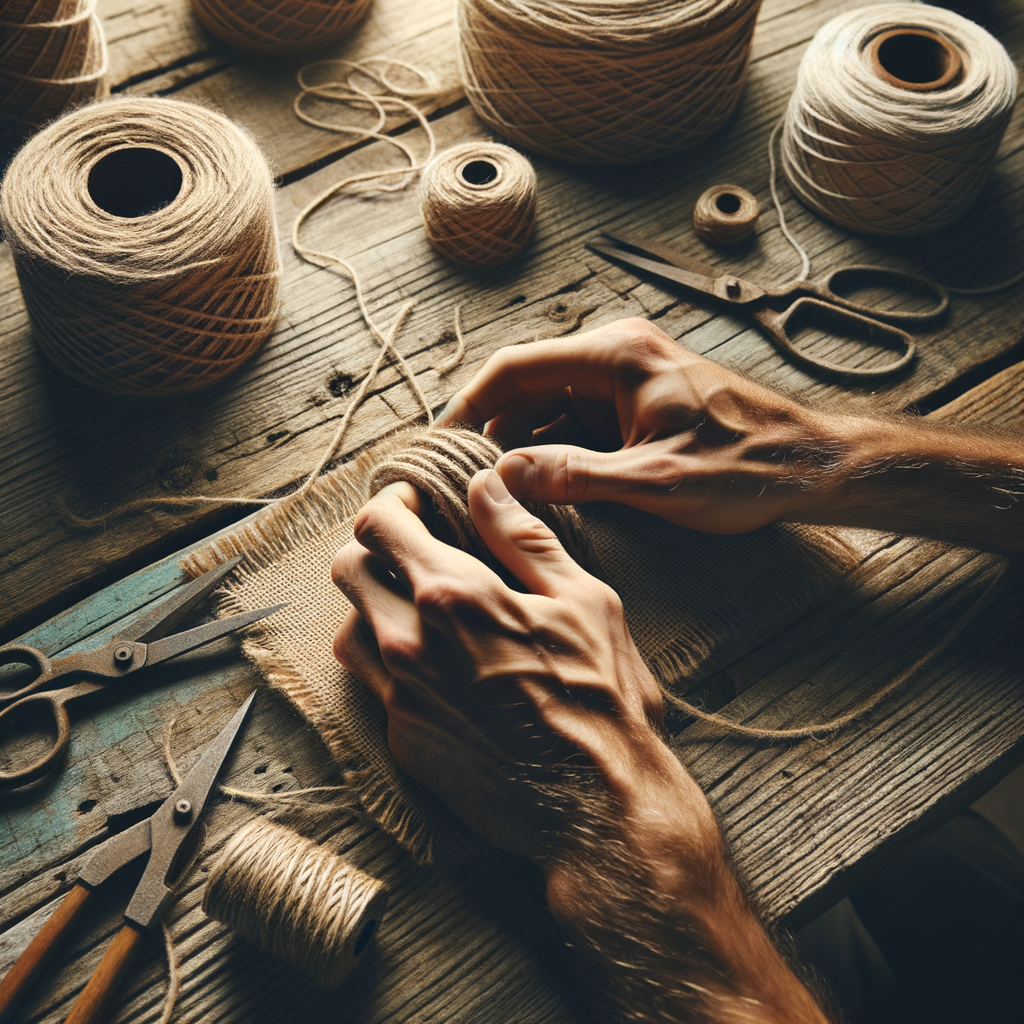

Knowing how to stop jute rope from shedding is important for anyone who values the function and appearance of this natural fiber. Jute rope is favored for its eco-friendliness and rustic charm, but its tendency to shed can reduce its lifespan and affect project neatness.
Shedding impacts both durability and the quality of any task or craft using jute rope. This article provides practical methods to prevent jute rope from shedding and fraying, keeping your rope strong and visually appealing. By exploring sealing techniques, recommended products, and maintenance tips, you will learn how to prolong your rope’s life for crafting, gardening, or packaging.
Understanding Jute Rope and Its Shedding Problem
Before exploring solutions, it’s helpful to understand why jute rope sheds and frays. This insight aids in choosing effective prevention and maintenance methods.
What Causes Jute Rope to Shed and Fray?
Jute consists of natural fibers twisted loosely into rope, making it prone to shedding due to its texture and softness. Jute fiber tensile strength varies widely, averaging ~200–800 MPa, showing natural variability that contributes to fraying inconsistency.
- Natural fiber characteristics: Jute fibers are fine and short, which can loosen and separate with use.
- Wear and tear factors: Abrasion, moisture exposure, and rough handling accelerate fraying and fiber breakage.
How Shedding Affects Jute Rope Usability
Shedding diminishes rope strength and presents an untidy appearance. Jute thread water absorption (~1.83–2.50 g/g) affects tensile performance and accelerates fiber breakage when wet.
- Impact on strength and lifespan: Fiber loss weakens the rope, increasing breakage risk under load.
- Effect on appearance and project quality: Loose fibers create a messy look, affecting crafts or gift wrapping that rely on a clean finish.
Understanding these factors prepares you to apply targeted methods to protect your jute rope. Next, we discuss practical ways to stop shedding.
Practical Methods to Stop Jute Rope from Shedding
Several reliable techniques prevent jute rope from fraying, focusing on securing ends, treating fibers, and reinforcing the rope structure.
1. Sealing Rope Ends
Sealing rope ends effectively prevents fibers from unraveling.
Heat Sealing Techniques (Overview and cautions)
Heat sealing suits synthetic ropes but requires care with jute. Excess heat can burn or weaken fibers.
- Use low heat briefly (from a lighter or candle) to singe the ends slightly, binding fibers.
- Keep distance and limit exposure to avoid damage.
- Due to jute’s cellulose content, heat sealing is less commonly recommended.
Using Natural Adhesives and Sealants
Gentler natural adhesives avoid heat risks.
- Apply diluted white glue or starch mixtures to bind fibers as they dry.
- Natural rubber-based sealants provide flexible, durable sealing without chemicals.
- These maintain flexibility and the rope’s natural look.
2. Applying Fray-Stop Liquids and Fabric Sealers
Fray-stop liquids designed for fabric and rope offer convenient and effective shedding prevention.
Product Types and How to Use Them
Liquid seam sealers and fabric glues are easy to apply and dry clear.
- Brush or drop a thin layer onto rope ends.
- Allow 15–30 minutes drying time before use.
- Some are water-resistant and suitable for outdoor use.
Pros and Cons of Chemical Sealers
- Pros: Fast drying, strong bonding, flexible finish.
- Cons: May contain chemicals unsuitable for sensitive uses or the environment.
- Opt for eco-friendly products when using around plants or pets.
3. Wrapping and Binding Rope Ends
Binding ends physically is a traditional method to prevent fraying without chemicals.
Using Twine, Tape, or Wire to Prevent Fraying
Tightly wrap ends with cotton twine, electrical tape, or thin wire.
- Cotton twine blends naturally and breathes well.
- Electrical tape offers a quick seal but a less natural look.
- Fine wire secures ends for heavy-duty use but requires care.
DIY Binding Techniques
- Use a whipping knot to wrap twine tightly before knotting securely.
- Double wrap or fold ends for extra support.
- Secure bindings firmly but avoid over-tightening.
4. Coating Jute Rope Surface
Coating the rope surface reduces fiber friction and shedding along its length. Infrared and surface treatments can improve jute tensile strength by up to ~50% and flexural strength by ~69%, showing that coating boosts fiber performance.
Use of Oils, Waxes, or Varnishes
- Natural oils like linseed or tung oil add flexibility and reduce roughness.
- Beeswax repels moisture and binds loose fibers.
- Clear varnishes or polyurethane offer durable coatings but can stiffen the rope.
Impact on Rope Flexibility and Appearance
Oils and waxes maintain flexibility and enhance the rustic look; varnishes may cause stiffness and glossiness.
Choose coatings based on your usage and aesthetic preference.
These methods can be tailored to your needs, whether you prefer natural treatments or synthetic sealers. Next, we review recommended products to support these techniques.
Recommended Products to Prevent Jute Rope Shedding
Using suitable products makes managing jute rope shedding easier and more effective.
Fray Check Liquids and Fabric Sealers
- Fray Check: A popular liquid seam sealer that dries clear and flexible.
- Seam Seal Fabric Liquid: Provides strong bonding and water resistance, ideal for outdoor ropes.
- These products are favored for easy application and reliable results.
Natural Beeswax and Rope Conditioning Products
- Beeswax blocks or pastes protect fibers and add natural waterproofing.
- Rope conditioners with natural oils enhance flexibility and reduce friction.
- Eco-friendly options that improve the rope’s feel and durability.
Strong Adhesive Tapes and Binding Materials
- Electrical or cloth tape offers a quick physical barrier against fraying.
- Cotton or jute twine supports sturdy, natural bindings with whipping knots.
- Wire ties suit industrial or heavy-duty needs.
Protective Gloves and Tools for Safe Handling
Jute’s rough fibers can irritate skin; gloves improve safety and grip during treatment.
- Leather or fabric gloves protect hands and enhance dexterity.
- Utility scissors and small brushes aid precise cutting and product application.
Choosing the right products improves your anti-shedding efforts and rope care. Next, we discuss maintenance tips for lasting jute rope use.
Maintenance Tips for Long-lasting Jute Rope
Preventing shedding depends on initial treatment and ongoing care. Proper maintenance extends the usability and keeps the rope looking good. Long-term storage in humidity-controlled environments below 60% relative humidity preserved over 85% original fiber strength.
Proper Storage Practices
Store rope in a cool, dry place away from sunlight and moisture to prevent weakening and mold.
- Use coiled loops hung or placed on hooks to avoid kinks.
- Avoid heavy compression or sharp bends that can damage fibers.
Regular Inspection and Repair of Rope Ends
Check ends often for fraying and reseal or rebind promptly to prevent worsening.
- Trim loose fibers before applying treatments.
- Reapply fray-stop liquids seasonally or after heavy use.
Cleaning Methods Without Damaging Fibers
Clean gently by brushing or wiping with a damp cloth; avoid soaking or harsh detergents. Gentle brushing instead of washing reduced fiber breakage incidence by nearly 40% during textile durability testing.
- Allow the rope to air dry fully before storing.
- Use mild natural soap if needed, rinsing thoroughly.
When to Replace vs. Maintain Jute Rope
Replace the rope if it shows persistent weakness, excessive fiber loss, or structural damage. Minor fraying can be treated and maintained.
Regular upkeep combined with sealing techniques greatly extends rope life and reduces replacements.
With maintenance in mind, let’s summarize the key methods to stop jute rope from shedding.
Conclusion
Prevent jute rope shedding by sealing ends, applying fray-stop liquids, wrapping ends, and surface coating.
These methods help preserve strength, appearance, and usability across applications.
Use recommended products and techniques to keep your jute rope neat, durable, and ready for projects.
FAQs
1. Can I use heat to stop jute rope from fraying?
Heat is risky for jute; use low heat briefly and carefully to avoid burning fibers.
2. What is the best product to prevent jute rope shedding?
Fray Check liquid is effective for clear, flexible sealing; beeswax offers natural protection; choose based on your needs.
3. How often should I reseal or treat my jute rope?
Reseal every 6–12 months or after heavy use, especially when exposed to moisture or abrasion.
4. Is it safe to use chemical fray stoppers on jute rope outdoors?
Use water-resistant, eco-friendly sealers to protect the environment and ensure durability.
5. Can wrapping jute rope ends with tape stop fraying effectively?
Yes, tape restrains fibers immediately but may need replacement; combining with sealing improves results.