
Choosing between tarpaulin and canvas is important depending on your project or outdoor activity. Both materials offer protective benefits but differ in composition and performance.
Understanding their strengths and weaknesses helps you select the right fabric for your needs. This comparison covers durability, water resistance, cost, and practical applications to guide your choice.
By the end, you’ll know which material performs best in various environments, ensuring your investment delivers value and efficiency.
What Are Tarpaulin and Canvas?
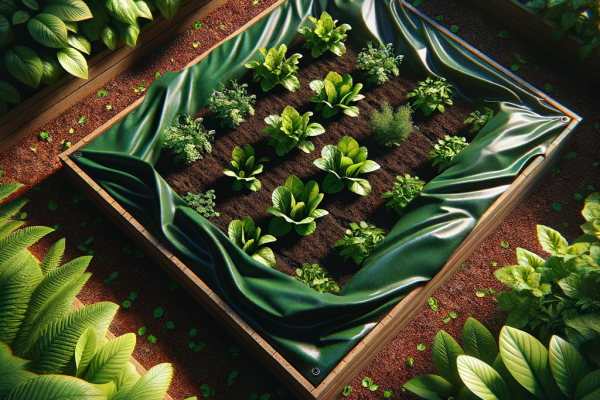
Tarpaulin, or tarp, is a large sheet made from synthetic materials like polyethylene, polypropylene, or PVC. These fabrics are often coated or laminated to enhance waterproofing and durability.
Tarps usually have reinforced edges with metal grommets for secure fastening, making them versatile for covering surfaces and equipment. Their synthetic nature provides resistance to tearing, abrasion, and weather exposure.
Definition and Composition of Canvas
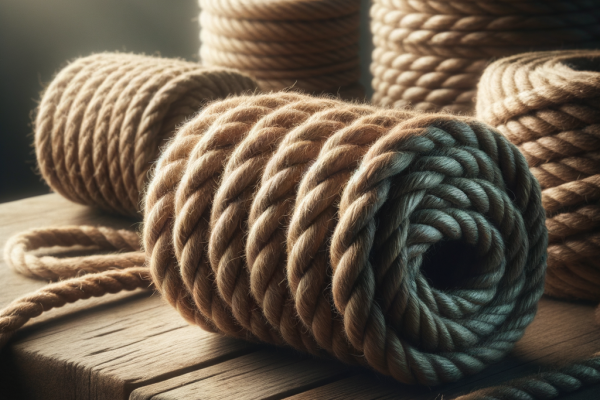
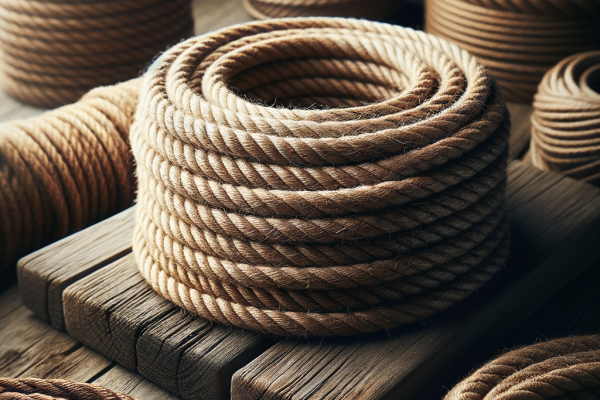
Canvas is a heavy-duty fabric woven from cotton, hemp, or linen fibers. It features a plain weave creating a dense, durable surface, valued for breathability and natural texture.
Modern canvas may be treated with wax or polyurethane to improve water resistance, but it remains less waterproof than tarpaulin. Its natural fibers make it ideal for applications needing comfort and flexibility.
With these definitions, the next section explores key differences affecting performance across uses.
Key Differences Between Tarpaulin and Canvas
Comparing tarpaulin and canvas reveals distinctions in material, physical properties, and suitability for various environments, which guide selection based on project demands.
Material and Fabric Type
Tarpaulin is synthetic, made from plastic polymers like polyethylene or PVC, with a smooth, water-repellent surface.
Canvas is a natural fiber fabric woven from cotton or hemp, with a rougher texture and more breathable structure.
Durability and Strength
Tarps resist tearing, puncturing, and UV degradation due to their plastic composition and reinforced build. PVC-coated tarpaulin tensile, tear strength improved by ~3–29 % with low-viscosity PVC resin, showing enhanced mechanical performance.
Canvas has strong mechanical strength, but it can degrade more quickly with moisture and sunlight unless treated.
Waterproofing and Weather Resistance
Tarpaulins are inherently waterproof and excel at protecting against rain, snow, and wind. PVC tarpaulin shows 100 % waterproofing, while canvas tarpaulin remains water-resistant, not fully waterproof in heavy rain.
Canvas is water-resistant when treated, but untreated canvas can absorb moisture, risking mildew or rot in prolonged wet conditions.
Breathability and Ventilation
Canvas is breathable, allowing air circulation that prevents condensation buildup underneath.
Tarps are non-breathable, which can trap moisture and heat if not properly ventilated.
Weight and Portability
Tarpaulins are lighter and easier to fold, making them suitable for temporary covers and portable use.
Canvas tends to be heavier and bulkier, requiring more effort to transport and store.
Cost Comparison
Tarps generally cost less due to the mass production of synthetic materials.
Canvas can be more expensive, especially premium cotton or treated versions.
|
Feature |
Tarpaulin |
Canvas |
|
Material |
Synthetic (PE, PVC, PP) |
Natural fibers (cotton, hemp) |
|
Durability |
High resistance to tears & UV |
Strong but less UV/moisture resistant |
|
Waterproofing |
Waterproof |
Water-resistant (needs treatment) |
|
Breathability |
Non-breathable |
Breathable |
|
Weight |
Lightweight |
Heavy |
|
Cost |
Economical |
More expensive |
Next, practical applications show when to choose tarps or canvas by industry and outdoor needs.
Common Applications & Best Use Cases
Choosing between canvas and tarpaulin depends on the specific use and environment. Each serves distinct roles in industries and outdoor activities. Polyethylene tarps typically last 2–3× longer than canvas under harsh weather due to their waterproof construction and UV resistance.
Tarpaulin Use Cases
Tarps are favored for their waterproof and durable properties, essential in tough settings.
- Construction and Industrial Uses
Tarps protect materials from moisture, cover scaffolding, and shield equipment on sites. Their toughness endures abrasion and weather.
- Camping and Outdoor Protection
Lightweight waterproof tarps serve as ground covers, tent rainflies, or emergency shelters, offering quick protection from rain and wind.
- Vehicle and Equipment Covers
Tarps safeguard vehicles, machinery, and tools from dust, rain, and sun during storage or transport.
Canvas Use Cases
Canvas is prized for breathability and aesthetic appeal, where comfort and style are valued. Canvas fabrics developed for multifunctional outdoor tents combine durability, weather resistance, and flexibility for tactical, field applications.
- Art, Tents, and Sails
Canvas is the traditional painting surface and is used in high-quality tents and sails for strength and airflow.
- Backpacks and Bags
Canvas is common in backpacks and bags for durability and rugged appearance, balancing protection with breathability.
- Awning and Shade Structures
Canvas awnings provide shade while allowing ventilation, reducing heat buildup compared to synthetic options.
Understanding these applications helps align material choice with project or lifestyle needs. Next, the pros and cons clarify decision factors.
Advantages and Disadvantages: Tarpaulin vs Canvas
Reviewing strengths and weaknesses helps identify which material fits priorities like protection, longevity, or comfort.
Tarpaulin Pros and Cons
Pros:
- Reliable waterproofing and weather resistance
- Lightweight and easy to handle
- Cost-effective for wide coverage
- Durable against tearing and UV damage
Cons:
- Non-breathable, which may trap condensation
- Synthetic materials less environmentally friendly
- Can become brittle in extreme cold over time
Canvas Pros and Cons
Pros:
- Breathable fabric reduces moisture buildup
- Natural fibers offer comfort and aesthetic appeal
- Strong and durable with proper care
- Can be treated for water resistance
Cons:
- Heavier and bulkier than a tarp
- Requires maintenance to prevent mold and mildew
- Typically higher cost than tarpaulin
With these points clear, the next section guides you on how to choose the right material based on your conditions.
How to Choose Between Tarpaulin and Canvas for Your Application
Selecting the right fabric involves considering environmental factors, durability, budget, and aesthetics to find the right balance.
- Consider Your Environmental Conditions
Evaluate exposure to moisture, UV, temperature extremes, and ventilation needs. Tarps excel in wet, harsh settings, while canvas suits drier, more breathable environments. Polyester canvas with recycled PET reduces CO₂ footprint by ~28% vs. virgin polyester, improving environmental profile.
- Evaluate Durability Needs
For rugged use and heavy coverage, tarpaulins provide tear and abrasion resistance. Canvas is better where flexibility with strength is required.
- Assess Budget Constraints
Tarps are generally more economical, while canvas demands more upfront but can offer long-term value with care.
- Think About Aesthetic Preferences
Canvas’s natural look fits environments valuing style and comfort, such as outdoor furniture or events. Tarps focus on function.
- Review Maintenance and Longevity
Tarps need minimal maintenance but may degrade from UV exposure. Canvas requires regular upkeep to avoid mold and maintain water resistance, potentially extending lifespan.
These points help identify the most suitable material for your needs. Product suggestions follow.
Product Recommendations and Where to Buy
Finding quality tarpaulin and canvas products depends on your needs and budget. Below are trusted options from reputable suppliers.
Top Tarpaulin Products for Various Needs
- Heavy-Duty Poly Tarps: For construction and industrial use, with UV resistance and reinforced edges.
- Waterproof Camping Tarps: Lightweight polyethylene tarps designed for easy setup and weather protection.
- Truck and Equipment Covers: Durable PVC tarps tailored for vehicle protection and storage.
Top Canvas Products for Various Needs
- Waxed Canvas Fabric: Water-resistant and breathable, suitable for outdoor gear and tents.
- Cotton Canvas Sheets: Versatile for DIY projects, painting, and upholstery.
- Heavy Canvas Awning Material: Provides shade and weather protection with a classic appearance.
Conclusion
Choosing between tarpaulin and canvas depends on your application, environment, and maintenance willingness. Tarps provide waterproof durability and affordability for rugged, wet conditions. Canvas offers breathability and aesthetic appeal for breathable covers and comfort-focused uses.
Matching material properties to practical needs ensures reliable protection and value. Thoughtful evaluation leads to a confident, tailored selection between these fabrics.
FAQs
1. Is tarpaulin better than canvas for outdoor use?
Tarpaulin is generally better for outdoor use, needing waterproofing and weather resistance, while canvas suits dry, breathable settings.
2. Can canvas be waterproofed like tarpaulin?
Canvas can be treated with wax or polyurethane to improve water resistance but usually does not match tarpaulin’s waterproof level.
3. Which material lasts longer under harsh weather conditions?
Tarpaulin typically lasts longer outdoors due to synthetic resistance to UV and moisture compared to untreated canvas.
4. Are there eco-friendly options for tarpaulin and canvas?
Natural fiber canvas is more eco-friendly due to biodegradability, while some tarps are made from recyclable or less toxic plastics, though environmental impact varies.
5. How do maintenance requirements differ between tarpaulin and canvas?
Tarps need minimal upkeep aside from cleaning and storage; canvas requires regular treatment to prevent mold and maintain water resistance.