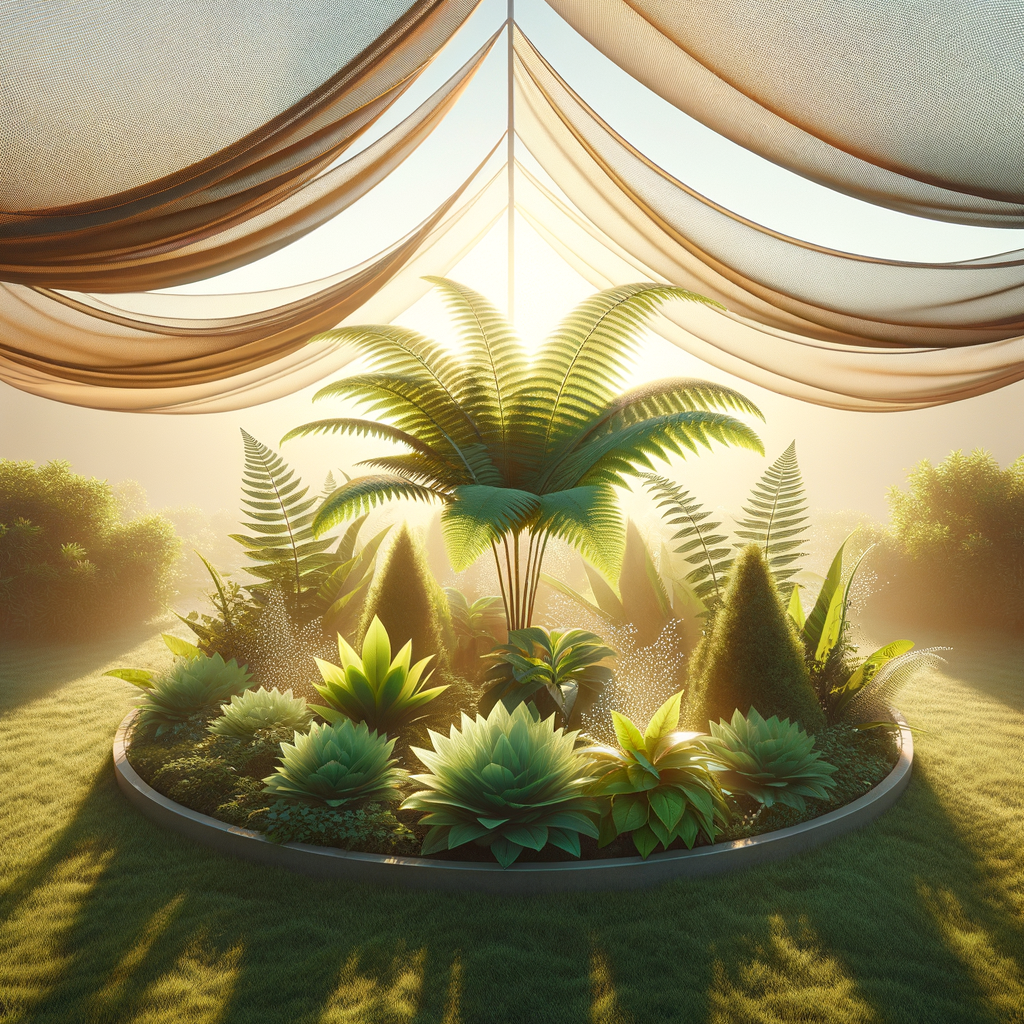

Choosing the best shade cloth for plants is essential to protect them from excessive sunlight and temperature extremes. Too much sun can stress plants, stunt growth, and cause lasting damage.
Shade cloth helps by filtering sunlight and promoting airflow, creating a balanced environment for healthy growth. This guide covers types, selection tips, installation methods, and product options to help you safeguard your plants effectively.
By understanding how to select shade cloth tailored to your plants and conditions, you’ll support healthier growth through all seasons.
Understanding Shade Cloth: What It Is and Why It Matters
Shade cloth is a flexible gardening fabric designed to reduce sunlight and heat exposure. It improves plant health by controlling the microclimate around them. Preliminary research showed shade nets can reduce whole-canopy and fruit temperatures by up to ~7°C under high irradiance conditions.
Its uses range from small home gardens to large agricultural setups, optimizing photosynthesis while preventing sunburn and dehydration.
What Is Shade Cloth?
Shade cloth is a woven or knitted synthetic fabric, often polyethylene, that blocks a specific percentage of sunlight. It comes in various densities, colors, and materials tailored for different plants and environments.
Designed to allow air, moisture, and some light through, it filters harmful UV rays and lessens direct solar intensity.
How Does Shade Cloth Protect Plants?
By controlling sunlight, shade cloth reduces heat stress and limits water evaporation from soil and leaves. This prevents leaf burn, wilting, and sunscald that can impair growth. As per the reports, shade nets can reduce light intensity by 9–46%, canopy temperature by 1.3–7.6°C, and wind speed by 2.5–17% while increasing relative humidity by 3.2–12.9%.
It also offers some protection from strong winds and pests, creating a stable growing environment.
Common Uses of Shade Cloth in Gardening and Agriculture
Shade cloth is often used for:
- Shielding seedlings and young plants from intense sun
- Regulating temperature inside greenhouses
- Providing shade in vegetable gardens
- Creating shade structures for outdoor crops in hot climates
- Reducing stress on ornamental and tropical plants
Its versatility makes it a valuable tool for gardeners and farmers aiming to balance sunlight and plant health.
Types of Shade Cloth for Plants
Shade cloth varies by material, construction, shade percentage, and color. Knowing these differences helps you select the best option for your plants.
Each type offers benefits and limitations based on climate and plant needs.
Material Types
Material affects durability, UV resistance, and breathability.
- Polyethylene: Common, cost-effective, UV-resistant, lightweight, and water-resistant.
- Knitted vs. Woven Fabric: Knitted is stretchier and better for wind resistance, suitable for flexible use. Woven is denser, more durable, but less elastic.
- UV Stabilized Fabrics: Enhanced with UV inhibitors to extend lifespan up to 3–5 years or more.
Shade Percentage Ratings Explained
Shade cloth is rated by the percentage of sunlight it blocks. The choice depends on plant type and environment.
Low (30%-40%) – Light Shade
Allows most sunlight while reducing harsh midday rays. Good for partial sun plants and delicate seedlings.
Medium (50%-60%) – Partial Shade
Balances light and shade, ideal for vegetables and flowering plants that tolerate moderate sun.
High (70%-90%) – Heavy Shade
Blocks most sunlight, suited for tropical plants or extreme heat. Excessive use may reduce photosynthesis.
Color Options and Their Impact on Plant Growth
Under 50% shade nets, solar irradiation dropped from ~890 W/m² to 400–560 W/m², and PAR dropped from ~2020 to <1000 µmol·m⁻²·s⁻¹. Shade cloth colors affect the light spectrum reaching plants:
- Black: Common; absorbs heat and consistently shades.
- Green: Enhances photosynthesis, preferred for ornamentals.
- White: Reflects sunlight, reducing heat buildup.
- Blue/Red: Used to modify flowering and growth by altering light wavelengths.
Select colors based on plant type and climate for subtle growth effects.
How to Choose the Best Shade Cloth for Your Plants
Selecting the right shade cloth involves assessing your plants’ needs and environment. The correct choice supports growth and protects from damage.
Consider these factors to avoid over- or under-shading.
Factors to Consider
- Plant Species and Sun Tolerance: Know if plants require full sun or shade.
- Climate and Local Weather: Hotter areas often need heavier shading.
- Purpose: Decide if the focus is heat reduction, sun protection, or windbreak.
- Durability: Permanent setups benefit from UV-stabilized fabrics.
- Cost vs. Performance: Higher-quality cloth lasts longer and offers better protection.
Recommended Shade Cloth Types for Popular Plants
- Vegetables: Medium shade (50%-60%), UV-stabilized polyethylene for cooling with light transmission. A scientific review confirms that shading improves vegetable yield and quality through better microclimate, reducing sunscald, physiological disorders, and disease incidence.
- Flowering Plants: Light to medium shade (30%-50%) in green or black to protect blooms.
- Seedlings and Young Plants: Light shade (30%-40%), often knitted, for delicate growth.
- Tropical Plants: Heavy shade (70%-90%) green or black to mimic understory conditions.
Selecting the right shade percentage and material helps maximize health and growth.
Proper Installation and Usage Tips
Correct installation ensures shade cloth effectiveness and longevity. Poor setup can reduce protection and harm plants.
Can You Put Shade Cloth Directly on Plants?
Direct contact is generally discouraged as it may cause abrasion and foster fungal growth. Some lightweight knitted cloths are safe briefly, but permanent use should have supports to keep the cloth elevated.
Best Practices for Mounting Shade Cloth
Proper mounting improves airflow and prevents damage.
- Over Frames or Structures
Frames made from wood, metal, or PVC keep the cloth above plants, allowing air circulation and growth space. This is best for long-term shading.
- Direct Attachment Techniques
For temporary shade, cloth can be tied or clipped to stakes or trellises, ensuring it’s taut but not overstretched to avoid tears.
Maintaining and Cleaning Shade Cloth
Cleaning extends lifespan and maintains light flow. Remove debris and wash with mild soap and water as needed. Avoid harsh chemicals. Check for tears seasonally and repair promptly.
Seasonal Considerations for Shade Cloth Use
Adjust shade cloth use seasonally. Use a heavier shade in summer for intense sun; reduce or remove it in cooler months to increase light exposure. Tailor shading to plant growth stages and conditions.
Top Shade Cloth Products on the Market
Several shade cloth choices offer durability, UV protection, and usability. Below are recommended types based on performance.
1. Premium UV-Stabilized Polyethylene Shade Cloth
- Features: Durable, excellent UV protection, available 30%-90% shade.
- Best for: Vegetable gardens, greenhouses, long-term outdoor use.
- Pros: Lasts 3–5 years, tear-resistant, effective heat reduction.
- Cons: Higher upfront cost, less flexible.
2. Knitted Garden Shade Netting
- Features: Breathable, flexible, wind-resistant, easy to install/remove.
- Best for: Temporary shade, seedlings, delicate plants.
- Pros: Lightweight, affordable, good airflow.
- Cons: Less durable, can lose shape over time.
3. Heavy-Duty Woven Shade Cloth
- Features: Thick fibers, durable, wind and water-resistant.
- Best for: Permanent garden structures, commercial farms.
- Pros: Long-lasting, strong support, good in harsh conditions.
- Cons: Heavy, less breathable, costlier.
4. Colored Shade Cloth Variants
- Features: Available in green, white, blue, and red; influences growth and aesthetics.
- Best for: Specialty plants, decorative gardens.
- Pros: Enhances photosynthesis, customizable appearance.
- Cons: May fade and cost more.
Here is a summary table of key attributes:
Shade Cloth Type | Durability | Breathability | Best Use | Shade Percentage Range | Cost |
Premium UV-Stabilized Polyethylene | High (3–5 years) | Moderate | Vegetable Gardens, Greenhouses | 30%-90% | Medium to High |
Knitted Garden Shade Netting | Medium (1–3 years) | High | Temporary Shade, Seedlings | 30%-50% | Low |
Heavy-Duty Woven Shade Cloth | Very High (5+ years) | Low to Moderate | Permanent Installations, Commercial Farms | 50%-90% | High |
Colored Shade Cloth Variants | Medium to High | Moderate | Specialty Plants, Decorative Gardens | 30%-70% | Medium to High |
Conclusion
Selecting what shade cloth is best for plants means considering your plants’ light needs, climate, and fabric use. The right shade percentage, material, and installation optimize growth and reduce sun and heat damage.
Trying different types and colors can help find the best fit. Ensuring airflow and regular care will extend the shade cloth’s lifespan and keep plants healthy.
Using these insights, gardeners can confidently choose and apply shade cloth to support plant health and productivity.
FAQs
1. Can you put shade cloth directly on plants without damaging them?
Lightweight knitted shade cloth may be used briefly on plants, but generally, it’s better to elevate it. Direct contact risks abrasion, airflow restriction, and fungal growth.
2. What shade percentage is best for vegetable gardens?
Vegetables usually benefit from medium shade cloth blocking 50%-60% of sunlight, balancing protection with enough light for photosynthesis.
3. How long does shade cloth typically last outdoors?
UV-stabilized polyethylene cloth lasts about 3 to 5 years outdoors. Knitted or untreated fabric lasts 1 to 3 years, depending on conditions.
4. Does the color of the shade cloth affect plant growth?
Yes, color affects light quality and heat absorption. Black and green are the most common and effective; white reflects heat. Blue and red influence flowering and growth cycles.
5. How do I clean and store shade cloth to prolong its life?
Remove debris regularly and wash with mild soap and water. Avoid harsh chemicals. Store in a dry, shaded place, folded neatly.