
Knowing how to put shade cloth over garden plants is essential for maintaining healthy growth during intense sunlight. Excessive sun exposure can stress plants, reduce yields, and cause leaf burn, making shade cloth a practical solution for many gardeners.
Shade cloth regulates temperature, blocks harmful UV rays, and conserves soil moisture, creating a favorable environment for plants. This article covers shade cloth benefits, installation methods, product recommendations, and DIY options for gardeners of all experience levels.
By following this guide, you’ll learn to install shade cloth effectively, select the best type for your garden or terrace, and explore creative ways to protect your plants at home.
Understanding Shade Cloth and Its Benefits for Garden Plants
Shade cloth is a practical solution for protecting plants from excessive sunlight and heat stress. Shaded high tunnels reduced air temperatures by nearly 1°C and soil temperatures by 1.3-1.5 °C compared with non-shaded tunnels.
Understanding how it works helps gardeners create balanced growing conditions during hot seasons.
What is Shade Cloth?
Shade cloth is a woven or knitted fabric made typically of polyethylene, designed to filter sunlight and provide partial shade. It blocks UV rays, reduces heat, and allows air circulation, protecting plants from harsh sun exposure.
Benefits of Using Shade Cloth in Gardens
Shade cloth helps regulate sunlight and temperature, creating a more stable growing environment for plants.
It reduces stress caused by extreme heat while supporting healthier growth and improved yields. Shade nets increased relative leaf water content in pomegranate leaves under 50% shade, buffering heat stress and lowering plant water loss.
- Protection from UV rays and heat stress: Prevents leaf scorch and heat damage.
- Improved moisture retention: Reduces evaporation, helping soil stay moist longer.
- Extended growing season and healthier plants: Cooler conditions promote longer growth periods and stronger plants.
Common Types of Shade Nets and Their Uses
Shade nets come in knitted polyethylene, woven, and mesh fabrics, varying in durability and shading levels. Black nets are durable with strong UV resistance, woven nets are lighter but less durable, and colors like black, green, or white influence light diffusion and temperature.
Selecting the right net depends on plant type and climate. For example, leafy greens need lighter shading compared to tropical plants. Beige shade nets at 50% altered light quality and improved strawberry yields by over 21% compared to black shade nets.
Choosing the Right Shade Cloth for Your Garden
Selecting the correct shade cloth ensures plants receive optimal light without overheating.
Factors like shade percentage, material, and climate play a key role in making the best choice.
Factors to Consider When Selecting Shade Cloth
- Shade percentage (30% – 90%): Higher percentages block more light but reduce photosynthesis.
- Material quality: Polyethylene is lightweight and affordable; knitted fabrics are more durable and UV-resistant.
- UV resistance and durability: Important for longevity in strong sunlight.
- Size and color options: Larger sizes reduce seams; colors affect heat absorption and light quality.
Which Shade Net is Best for a Terrace Garden?
Popular Shade Cloth Options for Terrace Gardens. Colored shade nets at ~50% shade altered PAR levels and improved greenhouse strawberry light conditions compared to unshaded controls.
- Black knitted polyethylene nets (50-70% shade) for versatile sun protection
- Green shade nets offer a natural look and moderate cooling
- White or reflective nets reduce heat buildup by reflecting sunlight
Pros and Cons of Each Type
High shade factors above ~30% negatively affected fruit diameter and soluble solids in pear, showing that too much shade reduces yield.
|
Shade Cloth Type |
Pros |
Cons |
|
Black Knitted Polyethylene |
Durable, UV-resistant, good heat absorption |
Can trap heat if ventilation is poor |
|
Green Shade Net |
Natural look, moderate cooling |
Less UV resistant, shorter lifespan |
|
White/Reflective Shade Net |
Reflects heat, keeps the area cooler |
Less shade coverage may allow more light |
These considerations help tailor your shade cloth choice to your terrace garden’s conditions.
How to Put Shade Cloth Over Garden Plants: Step-by-Step Installation Guide
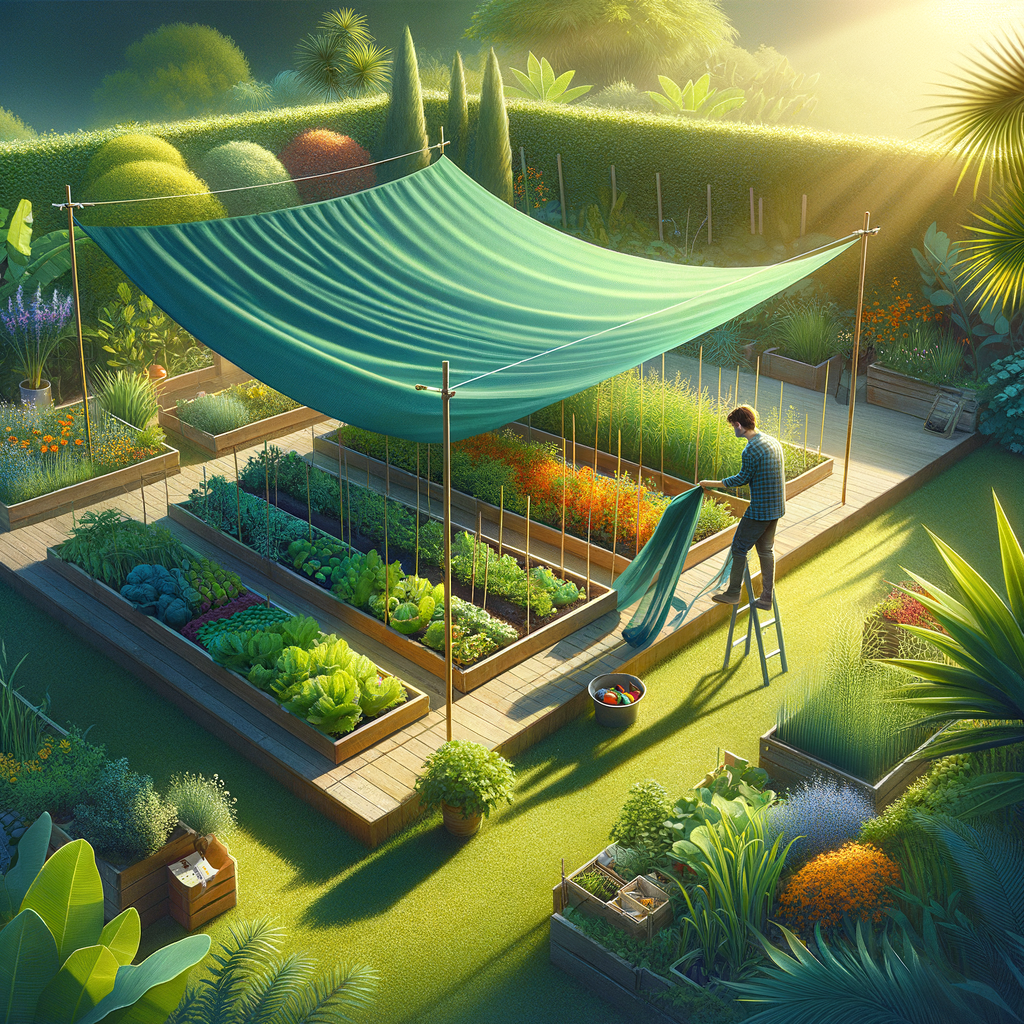
Proper installation ensures plants receive protection without damage or growth interference. Follow these steps for a secure and effective setup.
Preparation: Tools and Materials Needed
- Shade cloth (selected based on your needs)
- Poles or support frames (metal, PVC, or wood)
- Clips, ropes, zip ties, or staples for securing the cloth
- Measuring tape
- Scissors or a knife for trimming
- Hammer or drill when assembling frames
Step 1: Measuring Your Garden Area
- Measure length and width, adding 6–12 inches extra on all sides for securing edges.
- Consider plant height and growth for adequate clearance.
Step 2: Selecting the Support Structure
- Use poles, frames, hoops, or existing structures like fences.
- Choose sturdy, weather-resistant materials to withstand wind and rain.
- For small gardens, PVC frames or hoops work well.
Step 3: Installing the Shade Cloth
- Proper tensioning: Stretch the cloth taut to avoid sagging and water pooling.
- Securing: Use UV-resistant clips or heavy-duty zip ties to fasten edges firmly.
Step 4: Ensuring Ventilation and Accessibility
- Leave gaps or create roll-up sections for air circulation and easy access.
- Adjust height to allow comfortable tending.
Step 5: Maintenance Tips to Prolong Shade Cloth Life
- Clean the cloth with mild soap and water periodically.
- Inspect for tears and repair or replace as needed.
- Store properly during harsh winters if not in use.
These steps help maximize protection and the lifespan of your shade cloth.
DIY Methods: How to Make Shade for Plants at Home
Creating shade at home can be simple and cost-effective with common materials. Shade nets at 21% provided a suitable microclimate for eggplant growth, showing that shade level impacts growth and radiation stress protection.
Using Household Materials to Create Temporary Shade
- Old sheets or lightweight curtains: Draped over frames or clotheslines to filter sunlight.
- Mesh fabrics: Provide airflow and partial shade.
- Bamboo sticks or garden stakes: Used to build basic frames or teepees to support shade cloth.
Creative and Cost-Effective Solutions for Small Gardens
- Use umbrellas or garden parasols strategically over plants.
- Build wooden or PVC trellises covered with shade fabric.
- Position taller plants or containers to create natural shade for sensitive species.
These ideas offer flexible and adaptable shading, especially suitable for urban or small gardens.
Top Recommended Shade Cloth Products for Garden Use
Choosing a reliable shade cloth product ensures durability, UV protection, and consistent coverage.
Comparing features and benefits helps gardeners select options suited to their specific needs.
1. XYZ Premium UV-Resistant Shade Cloth
- Key Features: High UV protection, durable knitted fabric, and multiple sizes.
- Best Use Case: Medium to large home gardens and terraces.
- Pros: Durable, consistent coverage, easy to clean.
- Cons: Higher price than basic polyethylene nets.
2. ABC Polyethylene Garden Shade Net
- Key Features: Lightweight, affordable, 50-70% shade options.
- Best Use Case: Budget terrace gardens.
- Pros: Economical, easy to cut and install.
- Cons: Less durable, may degrade faster in the sun.
3. Homegrown Shade Cloth Kit with Support Frame
- Key Features: Complete kit with poles, clips, and cloth for quick setup.
- Best Use Case: Beginners and small gardens.
- Pros: All-in-one, easy assembly, portable.
- Cons: Limited sizes, frame may not suit larger areas.
These options cover various budgets and gardening needs, supporting plant protection and growth.
Conclusion
Shade cloth helps protect plants from intense sunlight, heat stress, and moisture loss.
Choosing the right material and shade percentage, along with proper installation, supports balanced light and ventilation for healthy growth.
DIY solutions offer practical alternatives for those with limited space or budget.
Explore recommended products to find one suited to your garden and begin shading for healthier plants.
FAQs
1. What percentage shade cloth is best for vegetable gardens?
Most vegetables benefit from 30-50% shade cloth, filtering harsh sunlight while allowing adequate photosynthesis.
2. Can I reuse shade cloth from previous seasons?
Yes, if in good condition without tears or UV damage, it can be reused with proper maintenance.
3. How long does shade cloth typically last outdoors?
High-quality knitted polyethylene shade cloth usually lasts 4-6 years, depending on exposure and care.
4. Is it better to cover plants completely or partially with shade cloth?
Partial coverage works best to allow air circulation and access while protecting sensitive areas.
5. Can shade cloth help prevent plant diseases related to heat stress?
By reducing heat and sunburn, shade cloth can indirectly reduce stress-related diseases and support stronger plant health.